Air Quality Monitoring
Deploy a comprehensive air quality monitoring network across indoor and outdoor environments. The Air Quality & Compliance Pack connects multi-pollutant sensors to real-time dashboards, automated regulatory reporting, and public health alert systems — pre-configured and ready in minutes.
The Air Quality & Compliance Pack is designed for smart city operators, industrial environmental managers, and building facility teams who need continuous, defensible air quality data across distributed sensor networks. It monitors a full range of pollutants — PM2.5, PM10, CO₂, NO₂, O₃, and VOCs — in real time, with automatic exceedance detection and regulatory threshold alerting. The pack includes pre-built compliance reports formatted for standard environmental reporting frameworks, significantly reducing the manual effort of periodic regulatory audits.
Why Magistrala
Magistrala's scalable message ingestion and persistent time-series storage provide the data fidelity and retention that regulatory compliance frameworks require, while the built-in rule engine automates the threshold monitoring that would otherwise demand custom application development.
Platform dashboards
See it in action
Purpose-built dashboards for every layer of your air quality monitoring deployment — from live telemetry to compliance reports.
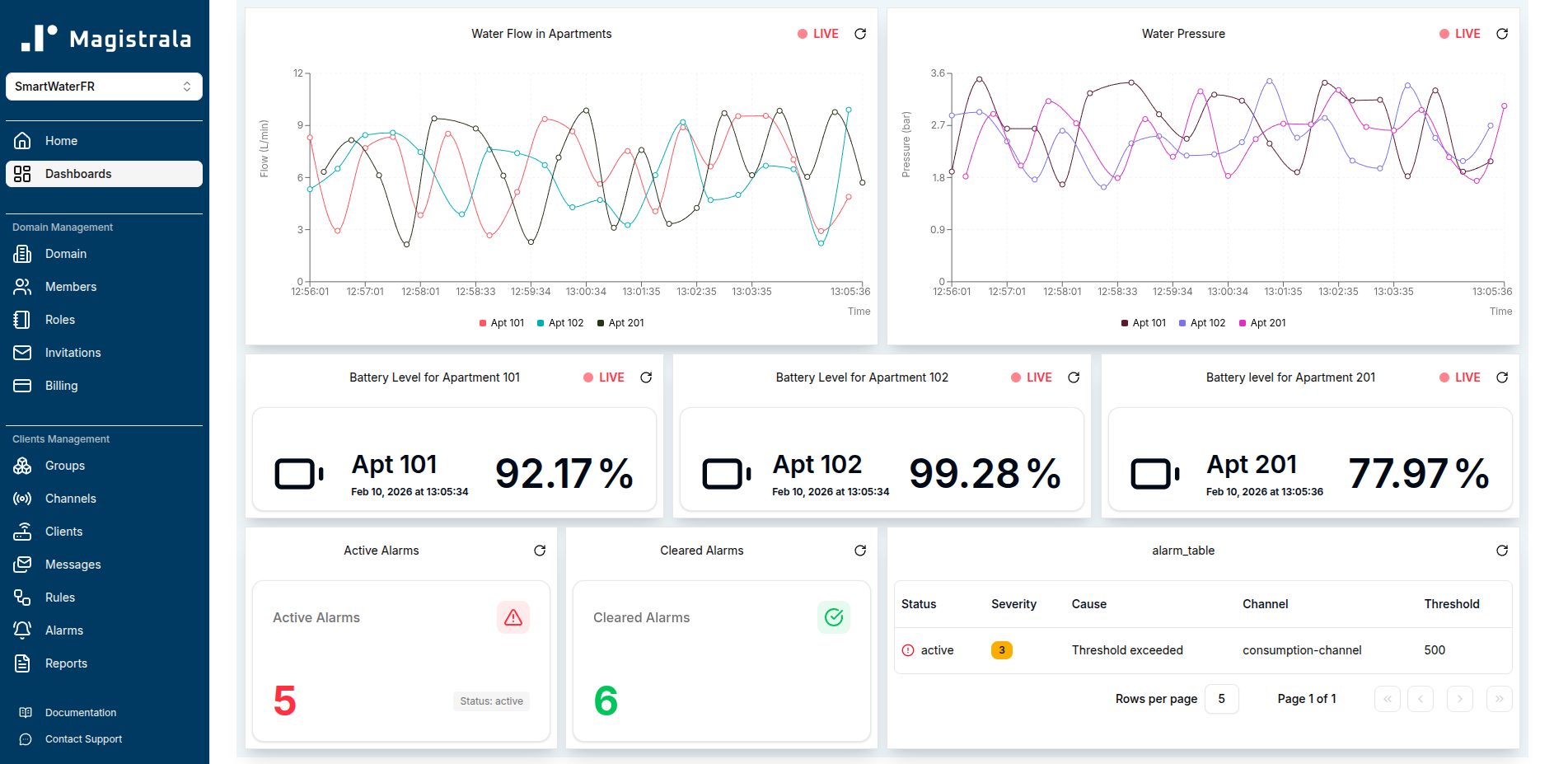
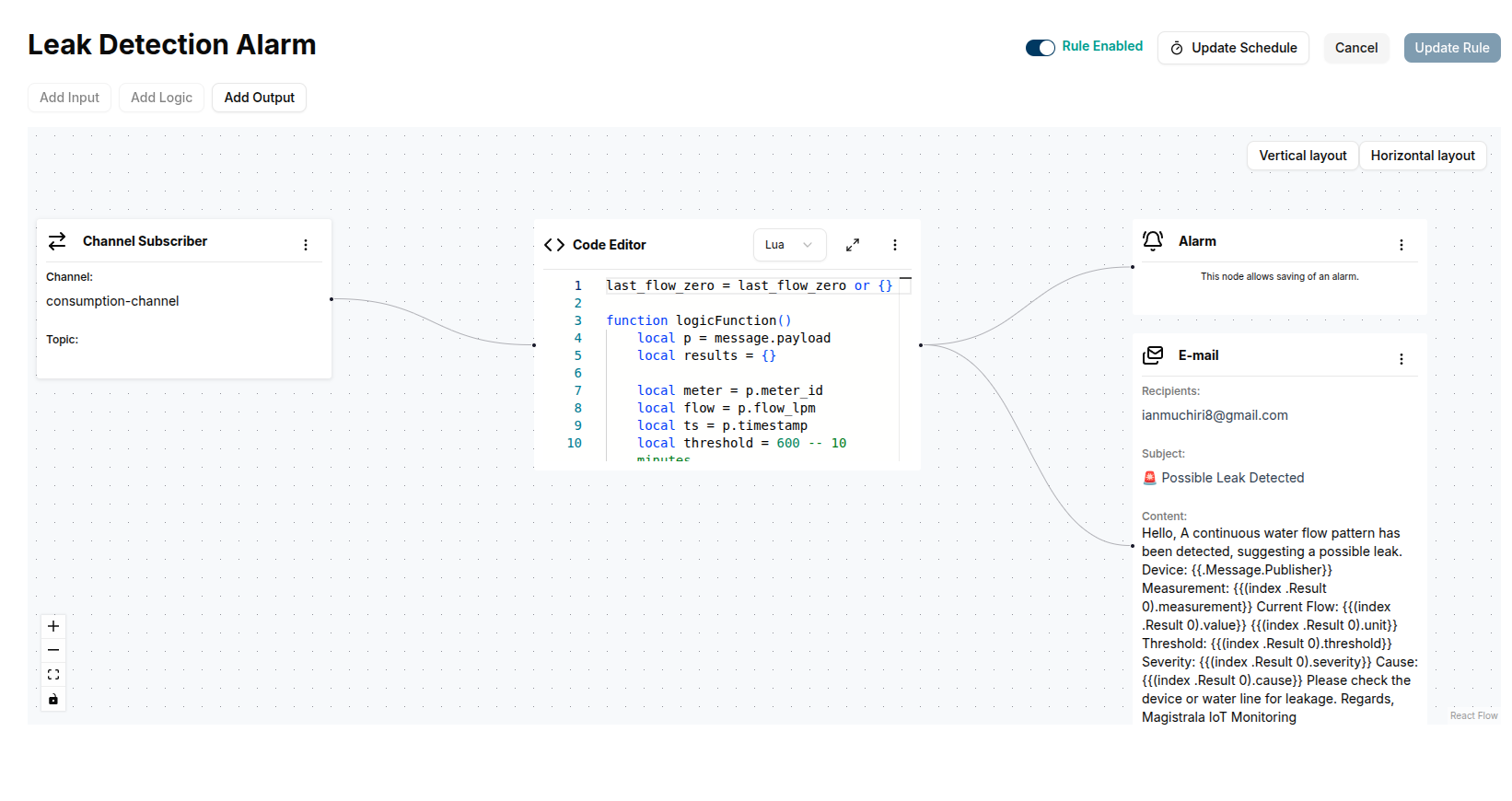
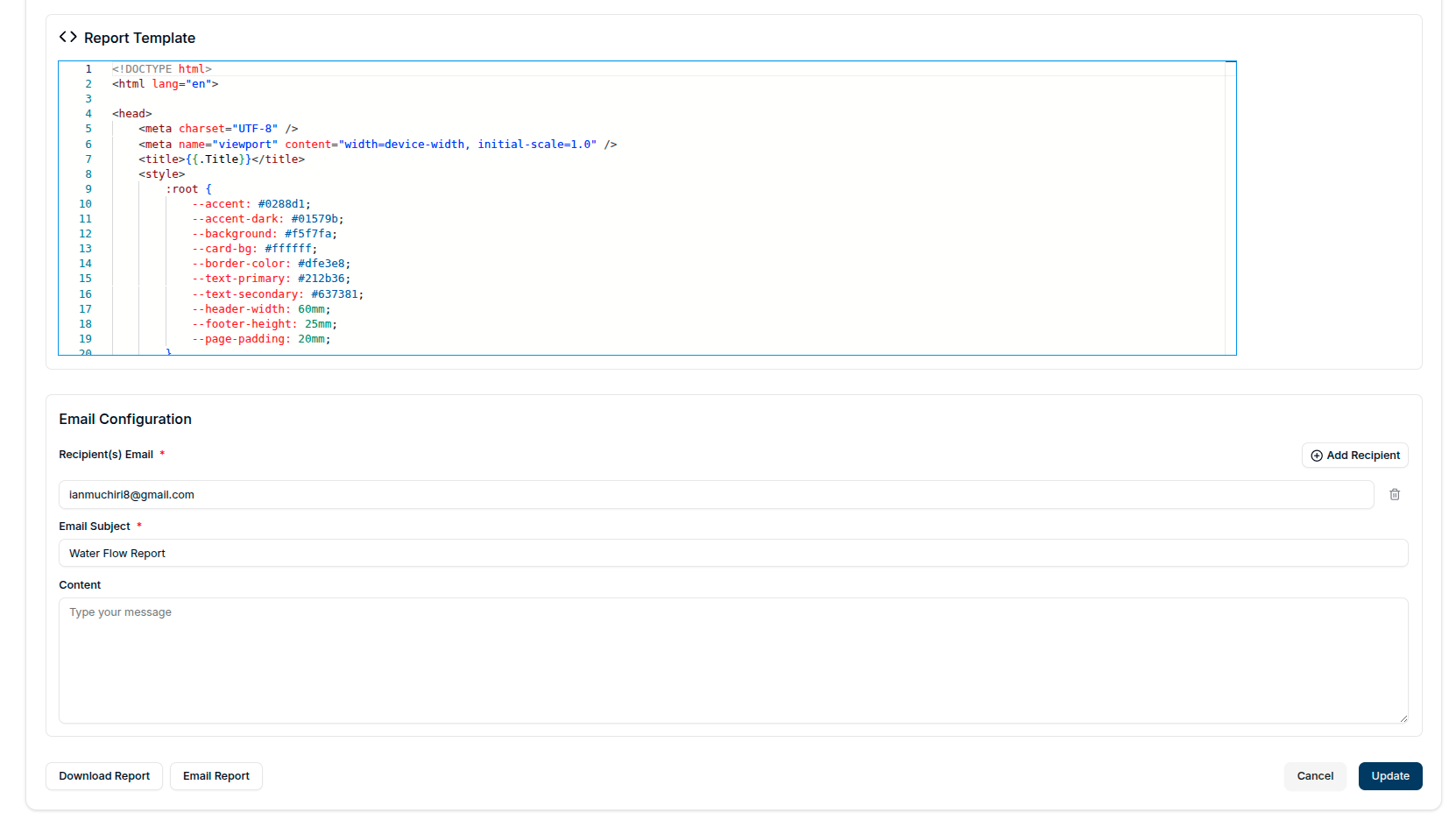
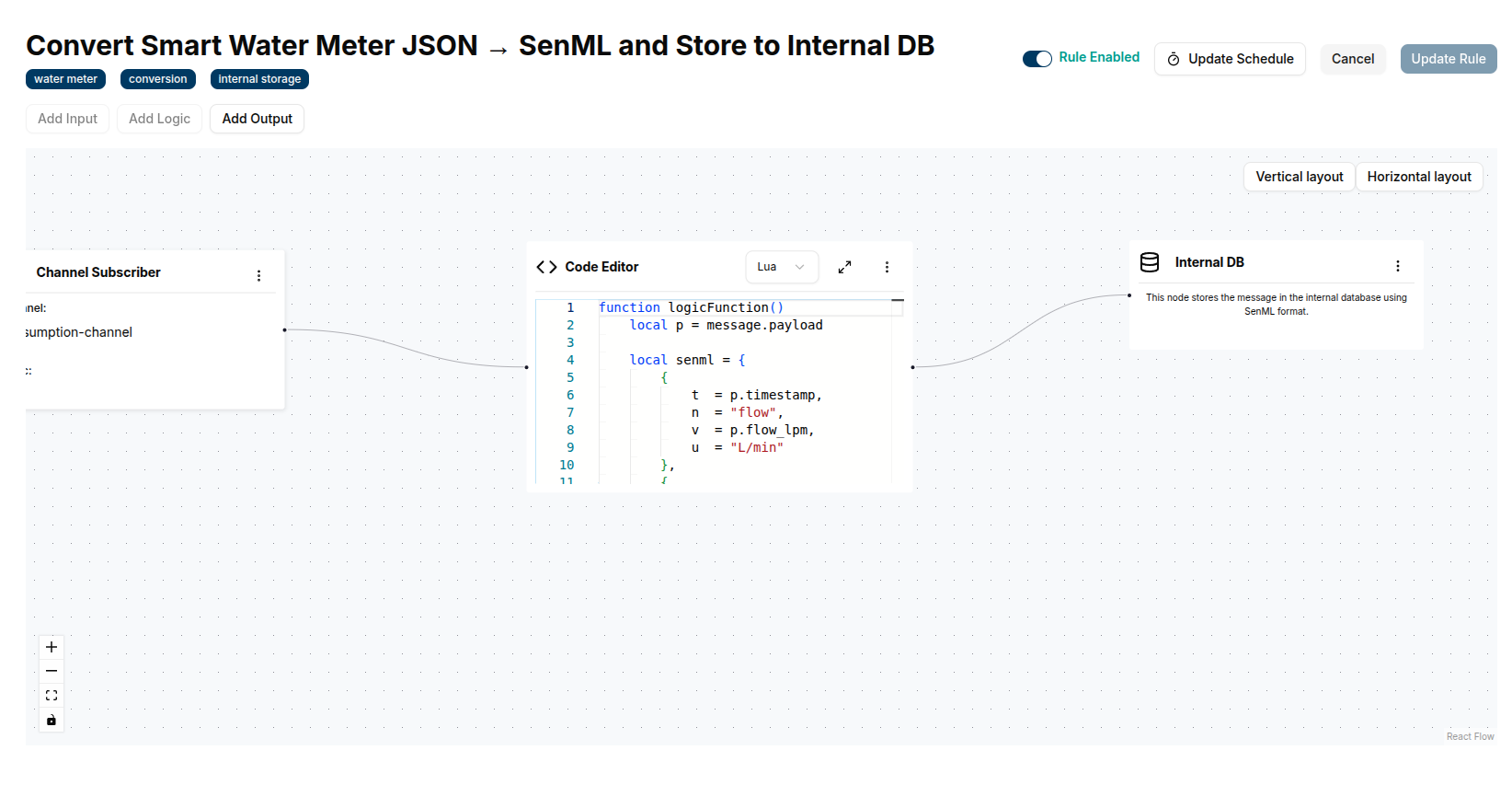
Air quality monitoring network dashboard
The challenge
Air quality risks are invisible until harm is done
Pollutant exposure impacts public health, productivity, and regulatory compliance — but without continuous monitoring, exceedances go undetected for hours or days.
Invisible Compliance Gaps
Manual sampling and infrequent measurement miss acute pollution events that breach regulatory limits, creating undetected compliance exposure for operators and municipalities.
Public Health Risk
Without real-time AQI monitoring, vulnerable populations — schools, hospitals, care homes — aren't notified during high-pollution events when protective action is needed.
Manual Reporting Burden
Compiling regulatory submissions from manual sampling and disparate sensor logs is time-consuming, error-prone, and creates delays in compliance reporting.
How it works
From sensor to action
From sensor network to regulatory report — continuous and automated.
Measure
Multi-pollutant sensors stream PM2.5, PM10, CO₂, NO₂, O₃, and VOC readings at 1-minute intervals via MQTT into pre-built pollutant-specific channels.
Contextualize
Readings are tagged with sensor location, zone type (indoor/outdoor/industrial), and correlated with meteorological data for dispersion context and regulatory categorization.
Alert
WHO, EPA, and EU Air Quality Directive threshold rules fire alarms at configurable warning and limit values. AQI category transitions trigger real-time notifications to operators and public systems.
Report
Automated daily summaries and monthly trend reports compile verified sensor data into regulatory-format exports. Industrial boundary exceedance logs are generated automatically for permit compliance.
Key Applications
Air quality monitoring deployments using this pack
Urban AQI Networks
Dense sensor networks across city districts provide neighborhood-level air quality data for public information systems, smart city dashboards, and pollution mapping.
Indoor Air Quality Management
CO₂ and VOC monitoring in offices, schools, and public buildings drives HVAC automation and ventilation alerts to maintain healthy indoor environments.
Industrial Boundary Monitoring
Perimeter sensor networks at industrial facilities continuously monitor regulated pollutants, providing automated permit compliance evidence and exceedance alerts.
Regulatory Compliance Reporting
Automated generation of regulatory-format air quality reports for environmental agency submissions, reducing compliance administration overhead significantly.
Benefits
Why teams choose Magistrala for air quality monitoring
The solution pack removes the integration work — so your team can focus on outcomes, not infrastructure.
- Detect regulatory exceedances in real time — minutes after they occur, not days after manual review
- Protect public health with automated AQI alerts for sensitive locations like schools and hospitals
- Eliminate manual reporting labor with automated regulatory submission reports
- Deploy anywhere from urban ambient networks to industrial boundary monitoring with the same platform
- WHO, EPA, and EU Air Quality Directive thresholds are pre-configured and adjustable per jurisdiction
- Multi-tenant architecture lets environmental agencies manage multiple operator networks from one platform
FAQ
Air Quality Monitoring — Frequently Asked Questions
Magistrala natively supports MQTT, HTTP, CoAP, and WebSocket. Air quality sensors reporting over MQTT connect directly. Sensors using Modbus or LoRaWAN connect via an external protocol adapter. PM2.5, PM10, NO2, O3, CO, SO2, VOC, and CO2 sensors from major vendors are supported this way, both indoors and outdoors.
WHO, US EPA, and EU Air Quality Directive thresholds are pre-configured as default rule templates. Each threshold set is adjustable per sensor, location, or jurisdiction. Regulatory standard updates can be applied by editing rule parameters without touching platform code.
Each monitoring station or network zone is organized as a Magistrala domain with its own sensors, rules, and access policies. Environmental agencies can manage multiple operator networks from a single platform while maintaining strict data isolation between clients.
Compliance reports are generated on a configurable daily, weekly, or monthly schedule from raw sensor data. Reports include hourly averages, exceedance counts, and station metadata in formats accepted by major regulatory submission portals. Data exports are available in CSV and JSON.
Try the Air Quality Monitoring Solution Pack
Preconfigured clients, channels, rules, dashboards, reports, and alarms — ready in minutes on Magistrala Cloud.