Oil & Gas
Deploy enterprise-grade pipeline integrity monitoring, remote asset management, and predictive maintenance infrastructure across upstream, midstream, and downstream operations. The Pipeline & Asset Intelligence Pack is pre-built for the reliability and security demands of the oil and gas sector.
The Pipeline & Asset Intelligence Pack addresses the reliability and safety demands of upstream, midstream, and downstream oil and gas operations. It provides continuous telemetry from pipeline integrity sensors, pump performance monitors, pressure transmitters, and leak detection systems across both fixed facilities and remote unmanned locations. The pack is pre-configured for the data reliability, redundancy, and security requirements of safety-critical industrial environments, and integrates with standard industrial communication protocols used across the sector.
Why Magistrala
Magistrala's industrial protocol support — including MQTT over TLS for low-bandwidth remote links — combined with its role-based access control and data isolation guarantees, makes it a fit for the security and reliability standards that oil and gas operators must meet.
Platform dashboards
See it in action
Purpose-built dashboards for every layer of your oil & gas deployment — from live telemetry to compliance reports.
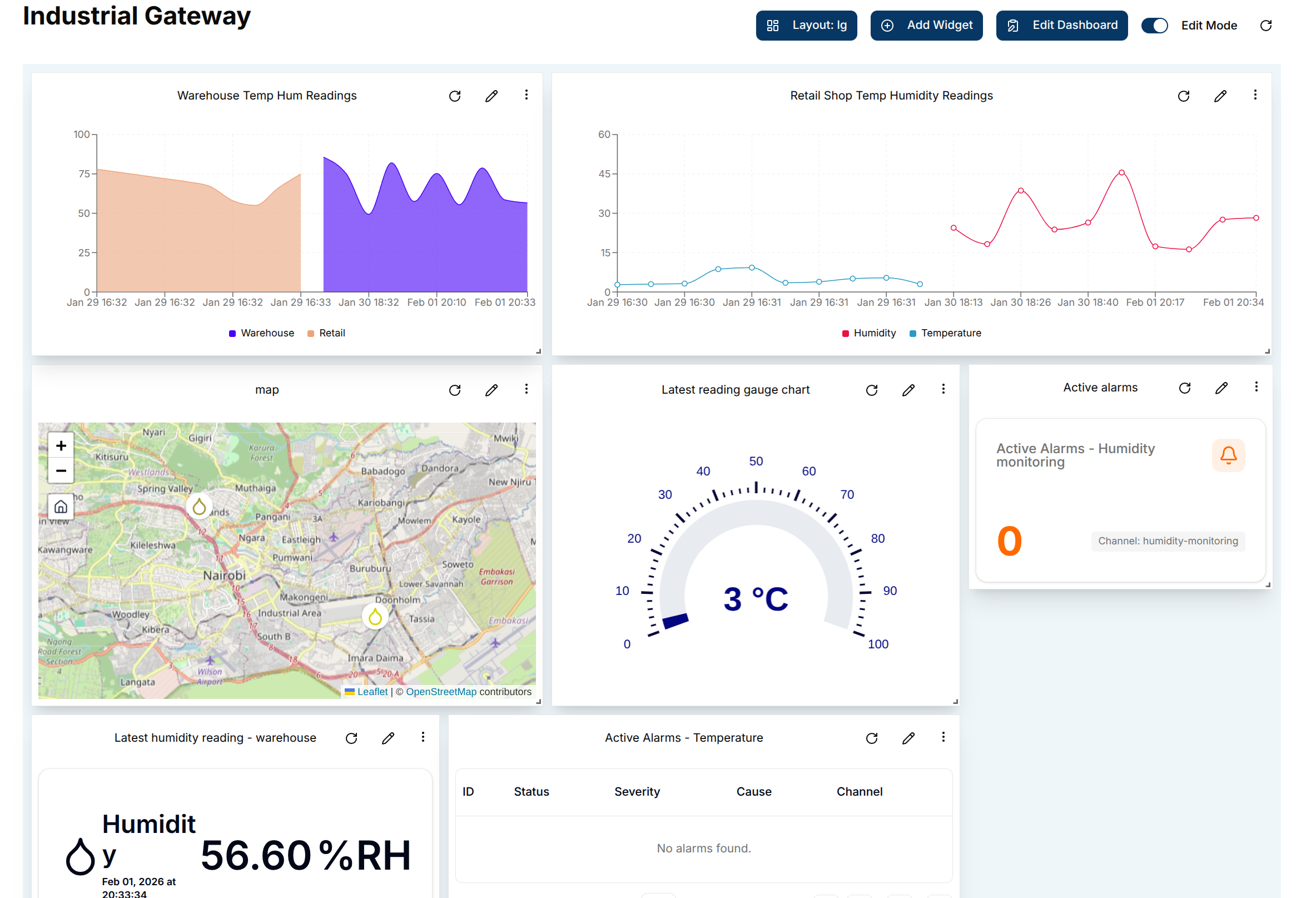
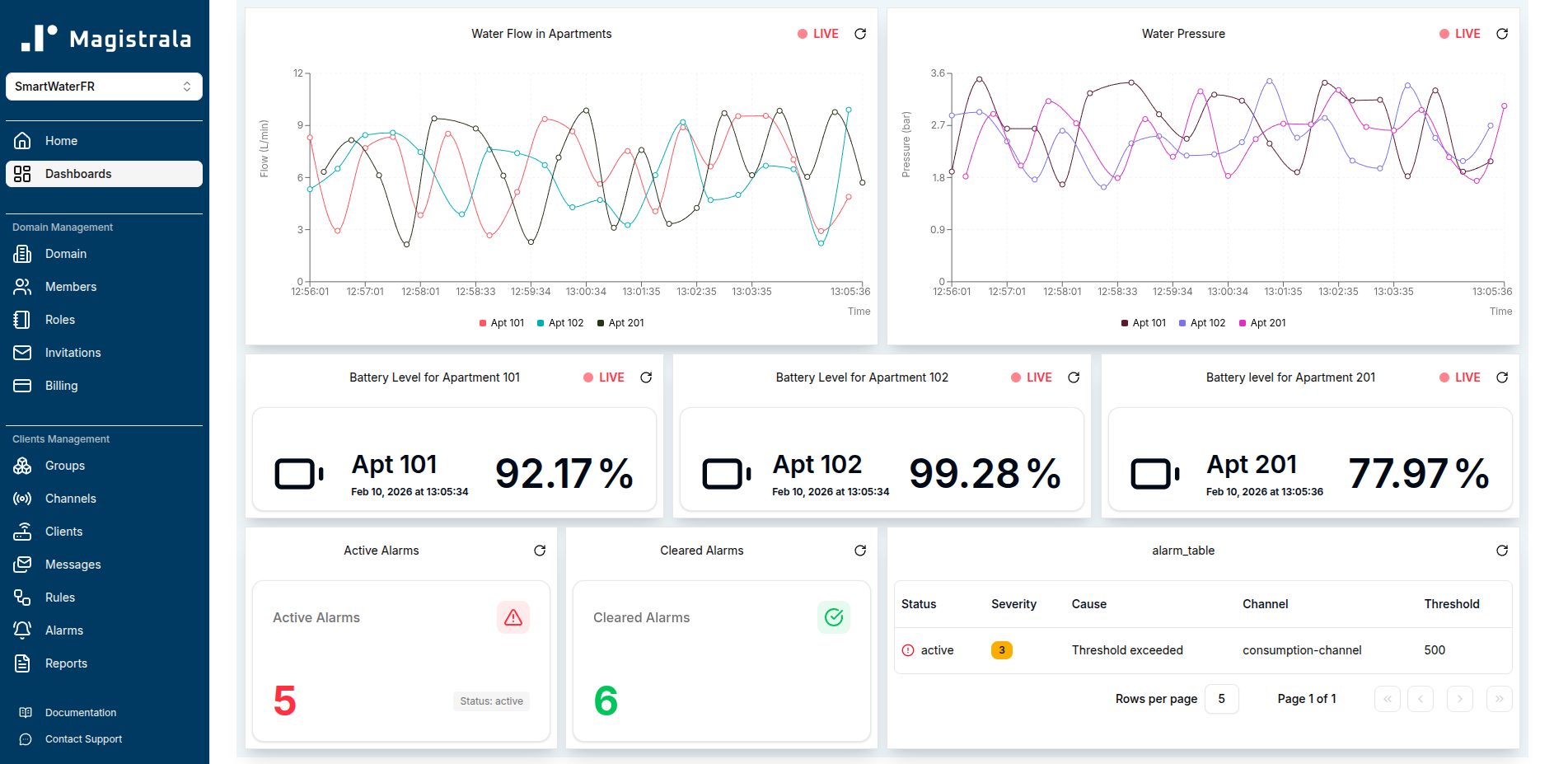
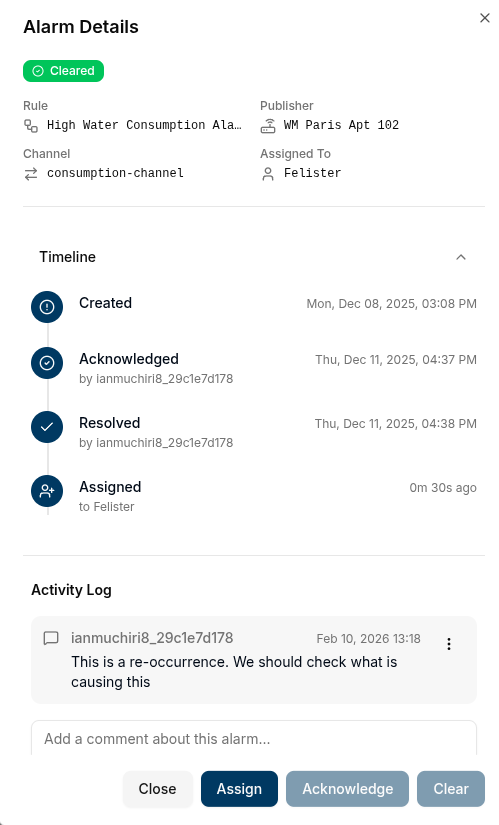
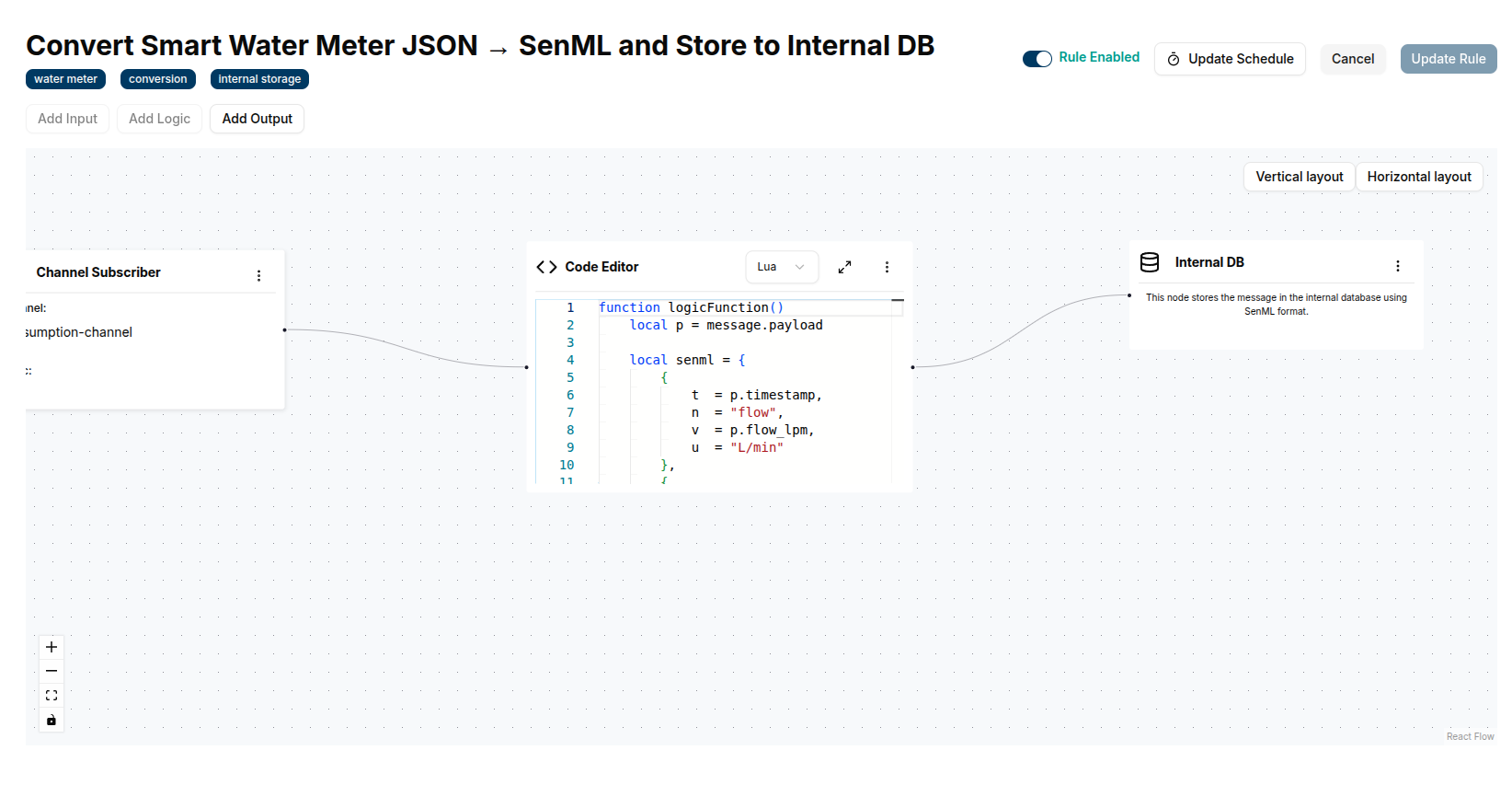
Industrial gateway configuration for oil and gas assets
The challenge
Remote assets are invisible until they fail
Unplanned shutdowns in oil and gas cost industry an estimated $38B annually. Most failures are detectable weeks in advance — if the right monitoring is in place.
Unplanned Downtime
Pump failures, compressor trips, and pipeline ruptures occur without warning when asset health data isn't collected or analyzed continuously.
Remote Asset Blind Spots
Wellheads, pipeline segments, and compressor stations in remote or offshore locations have limited connectivity, creating gaps in operational visibility.
Safety & Compliance Risk
Missed gas leak detection events and delayed safety alarm responses create both operational risk and regulatory exposure for operating companies.
How it works
From sensor to action
From field instrument to SCADA-grade operations center — in one platform.
Connect
Pressure transmitters, flow meters, gas detectors, and vibration sensors connect over MQTT, Modbus-over-TCP, or HTTP adapters. Remote sites use cellular or satellite backhaul.
Stream
High-frequency telemetry flows into dedicated channels by asset type. Edge buffering handles connectivity gaps in remote locations — no data is lost during outages.
Detect
Leak indication rules flag pressure-drop anomalies across pipeline segments. Gas concentration thresholds trigger safety alarms. Vibration baselines identify impending bearing or seal failures.
Respond
Safety-critical alarms trigger immediate notifications to control room operators and field crews. Maintenance predictions create work orders in integrated maintenance systems.
Key Applications
Oil and gas operations running on this pack
Pipeline Integrity Monitoring
Continuous pressure and flow monitoring across pipeline segments detects slow leak signatures days before traditional inspection would identify them.
Predictive Maintenance
Vibration, temperature, and motor current analysis on pumps and compressors identifies bearing wear and seal degradation weeks before failure.
Gas Leak Detection
Multi-point gas sensor monitoring with wind-direction-aware alarm logic provides accurate source attribution for rapid emergency response.
Remote Asset SCADA
Real-time wellhead and compressor station monitoring replaces manual site visits and integrates with existing SCADA systems via standard protocols.
Benefits
Why teams choose Magistrala for oil & gas
The solution pack removes the integration work — so your team can focus on outcomes, not infrastructure.
- Detect pipeline leak indicators days or weeks before physical inspection — preventing major ruptures
- Reduce unplanned downtime by up to 40% with predictive maintenance on rotating equipment
- Eliminate safety blind spots with continuous gas detection and safety-critical alarm management
- Reduce helicopter and truck inspection costs with remote asset monitoring replacing manual site visits
- Meet regulatory reporting requirements with automated pipeline integrity and maintenance records
- Industrial-grade security with per-asset credentials, encrypted telemetry, and full audit trails
FAQ
Oil & Gas — Frequently Asked Questions
Magistrala natively supports MQTT, HTTP, CoAP, and WebSocket. Industrial field instruments using Modbus, HART, or OPC-UA connect via an external protocol adapter that translates readings into one of the native protocols. Pressure transmitters, flow meters, gas detectors, and vibration sensors from major vendors are supported this way.
Safety-critical rules evaluate sensor data against configurable thresholds in real time. Breaches trigger immediate multi-channel alerts — email, SMS, and SCADA webhooks — with mandatory acknowledgment workflows. Unacknowledged alarms auto-escalate to the next responsible party on a configurable schedule.
Yes. Edge gateway nodes buffer messages locally during connectivity gaps and replay them in order when the link is restored. Time-series data arrives with original device timestamps, ensuring dashboards and analytics reflect accurate event sequences without data gaps.
Vibration and temperature data from rotating equipment is evaluated against baseline profiles and configurable anomaly rules. When degradation patterns emerge — rising bearing temperature, abnormal vibration frequency — alerts fire before failure occurs, enabling planned maintenance instead of emergency shutdowns.
Try the Oil & Gas Solution Pack
Preconfigured clients, channels, rules, dashboards, reports, and alarms — ready in minutes on Magistrala Cloud.